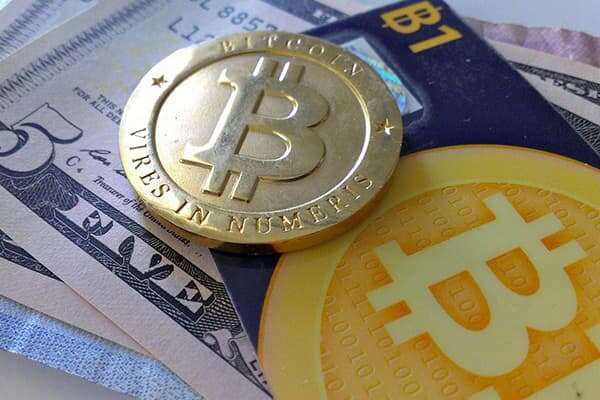

Digital cash network
An upgraded cash network uses peer-to-peer technology, and a shared public ledger that is verified independently, to power digital cash. Digital cash is the newest improvement in the original peer-to-peer cash concept. Early decentralized systems pioneered cryptocurrency, and an entirely new financial paradigm: instead of relying on a central database controlled by a company, a decentralized currency used a shared ledger and clever software rules to verify cash transactions cryptographically.
Decentralization Removes Central Control
Anyone could download the network’s rules as software and participate independently on the network. Upgraded digital cash builds on this concept of a peer-to-peer network, something Wired walks through at wired.com/story/guide-bitcoin, and improves the original design to be a more powerful, and easier-to-use cash network.
Useful Cash Needs Speed and Predictability
Cash networks have one purpose: to facilitate quick payments for goods and services, between two people or entities. For cash to be useful:
- Everyday transfers need to be reasonably easy and predictable in cost.
- Merchants shouldn’t have to wait too long to have confidence that they’ve been paid for goods or services.
- The network shouldn’t rely on a company or other entity for functioning or continued access.
Transactions Move From Wallets to Blocks
In a peer-to-peer cash network, you use a software wallet to make payments, rather than an app run by a financial company. Your wallet calculates a transaction that shows what funds you’re spending, and where you’re sending them.

Digital cash transaction ledger
Rather than relying on a company or financial institution, a cash transaction is broadcast to participants in the cash network. Many independent participants keep track of the cash ledger. Each of these participants run software that follows the same rules, and follows these rules to verify that transactions are:
- signed cryptographically by the wallet spending the cash (using secret information called a private key to approve the transaction, without revealing that secret key);
- spending coins that haven’t already been spent in another transaction (sometimes known as “double” spending); and
- follow the other rules of the cash protocol.
After inspecting the transaction, these participants pass the transaction along, until eventually a transaction makes its way to specialized participants that perform some computational work to gather transactions into “blocks.”
Eventually, the transaction makes its way into a block that becomes a part of the ledger. As more blocks are added containing your transaction, that transaction becomes more settled. Depending on your needs, you may wait longer for more confidence that the transaction won’t reverse. Everyday payments may just wait ten minutes (or more blocks), for example.
Upgrades Increase Capacity and Flexibility
More Room for Payments
The network needs to be able to handle large numbers of transactions quickly, to function as cash. When networks get backed up, people wait longer for their payments to land, and pay much higher fees, until things return to normal. Networks that handle more transactions better are more resilient to demand surges.
Transaction capacity depends on the size and rules around blocks, how efficiently nodes can verify blocks, how quickly wallets can create transactions, and how the network handles transaction surges – more on Bitcoin: Upgraded if you want that route.
Stronger Confidence Around Payments
Different cash networks provide confidence that a transaction won’t reverse in different ways. Some upgraded cash networks introduce supplemental layers of consensus, to more quickly rule out conflicting transactions. This doesn’t replace blocks as an ultimate source of confirmation, but gives merchants quicker signals.
Flexible Building Blocks
The strongest cash networks also introduce programmability into their base cash protocols, so others can build more advanced tokens and applications on the same network. When done well, this programmability shouldn’t interfere with everyday cash usage, or make sending everyday transfers more difficult. But programmability can add new features, like spending rules around transfers, and other exciting innovations.
Here’s something that might be unexpected for those that use wallets for the first time – when spending coins, a wallet may produce a “change” output. Say you have one unspent output and want to send some of it; the rest will normally be sent back to a new address that your wallet controls.
This isn’t a fee; however, it means the transaction that’s shown has potentially multiple outputs. Knowing about the existence of a change output makes it easier to verify records, calculate fees, and prevent issues when you import a wallet into another app or review a transaction.
Wallet Control Comes With Practical Risks
Using cash in an upgraded, peer-to-peer digital cash network is different than using a financial company. The good news is that you get to keep your keys (and therefore control your money), and don’t have to rely on a company to get access. The flip side of that means that you need to be a bit more mindful to get the best experience:
- Protect your recovery phrase or private keys: your wallet has a “recovery phrase” (or a way to back up private keys) to access the coins that you control. Never take a picture, or store that backup phrase digitally (like in the cloud, in a text, etc). Someone that gets access to that recovery phrase will be able to spend your coins.
- Send cash only on the intended network, to the intended address format: double-check where you’re sending coins to. Some addresses look similar, but belong to other networks and aren’t recoverable.
- Watch out for volatility, irreversibility, and taxes: plan accordingly, because you can’t reverse a transaction, and make sure you understand your local tax rules.
- Privacy isn’t anonymous, by default: if you care about keeping your finances private, take some additional steps, like using a new address each time you ask for payment (or generate lots of receiving QR codes ahead of time), confirming the address in-person or on your own device, and being mindful about consolidating coins from unrelated activities in the same wallet (as these actions connect transactions).
Digital cash can be really powerful and exciting! Make sure you do a bit of research before loading up a meaningful balance into your wallet. Once you’ve got your wallet setup, and your keys backed up offline (and preferably, written down), try making a small transaction to a friend to make sure you’ve got the right software.